

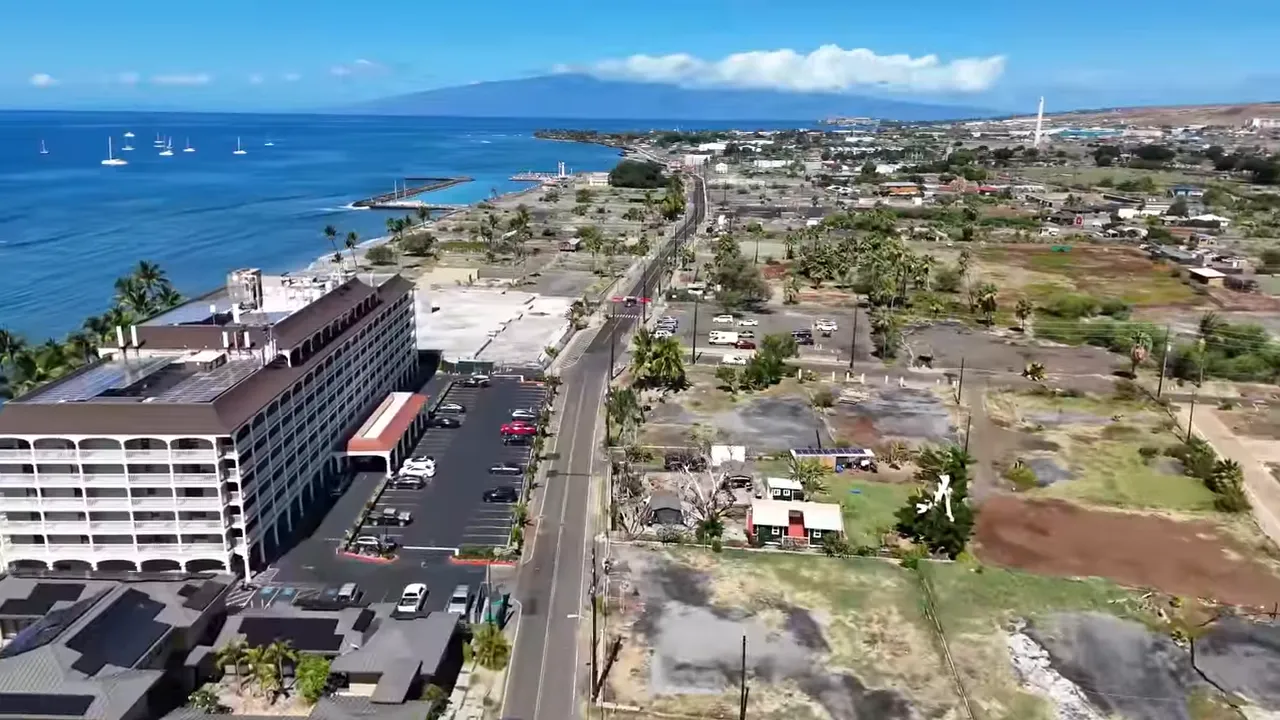
It has been more than four months since my last full aerial update of Lahaina, and after driving around town I can already tell you the residential rebuild momentum is real. Hundreds of homes are actively under construction, neighborhoods are changing every week, and some historic and commercial pieces of the town remain in planning phases or under repair.
This report walks through the coastline from the south end of Lahaina to the north, then up Lahainaluna Road into the burn zone and down the Koma Stream corridor. I cover permitting and rebuild statistics, neighborhood snapshots, infrastructure milestones, debris removal updates, temporary housing, economic impacts, and projected timelines. I also share what I see on the ground and in the air so you can understand both the progress and the challenges ahead.
Flight path and how I document progress
To make comparisons easy over time I keep my flight path consistent. The route goes from Puamana at the far south of Lahaina town, follows Front Street and the coastline to the north end, circles back inland, and then follows Lahainaluna Road up the hillside to the top of the burn zone before descending along the Koma Stream.
That repeatable path lets us see which neighborhoods are rebuilding faster, where infrastructure work is still holding things back, and how temporary projects like FEMA housing are positioned relative to permanent rebuild zones. I include timestamps and location notes so you can jump to the exact area you are most interested in.
Residential rebuild: hard numbers and momentum
Permit and construction data give the best objective view of progress. Here are the most recent numbers from Maui Recovers as of October 27, 2025:
- Residential permits issued in Lahaina: 478
- Residential buildings completed: 76
- Homes currently under construction: 295
- Residential permits being processed: 186
What the numbers tell us is straightforward. Nearly half a thousand residential permits have been issued, and the vast majority of those are either under construction or in permitting queues. Momentum appears to be accelerating: completion counts are rising and the pipeline of issued permits plus pending permits indicates sustained activity well into next year.
My on-the-ground and aerial observations match the data. Neighborhoods that were slower to start are now showing visible framing and roofing stages, and some oceanfront lots that had to wait for special approvals are finally seeing active construction. Based on current pace and permit cadence, I am confident we will reach at least 100 homes rebuilt by the end of this year.
Lahaina Shores and beachfront properties
Lahaina Shores has officially reopened and the complex is looking good. It is one of the earliest large-scale housing communities to welcome residents back and is notable for two reasons: it is market-ready and priced well compared to pre-fire values.
Asking prices at Lahaina Shores are down roughly 35 percent versus pre-fire values. For buyers and investors looking at the west side of Maui, that represents one of the more attractive deals on the island right now. If you want to see interior units, several listings are active and available for viewing.
Banyan tree, Lahaina Harbor, and historic preservation
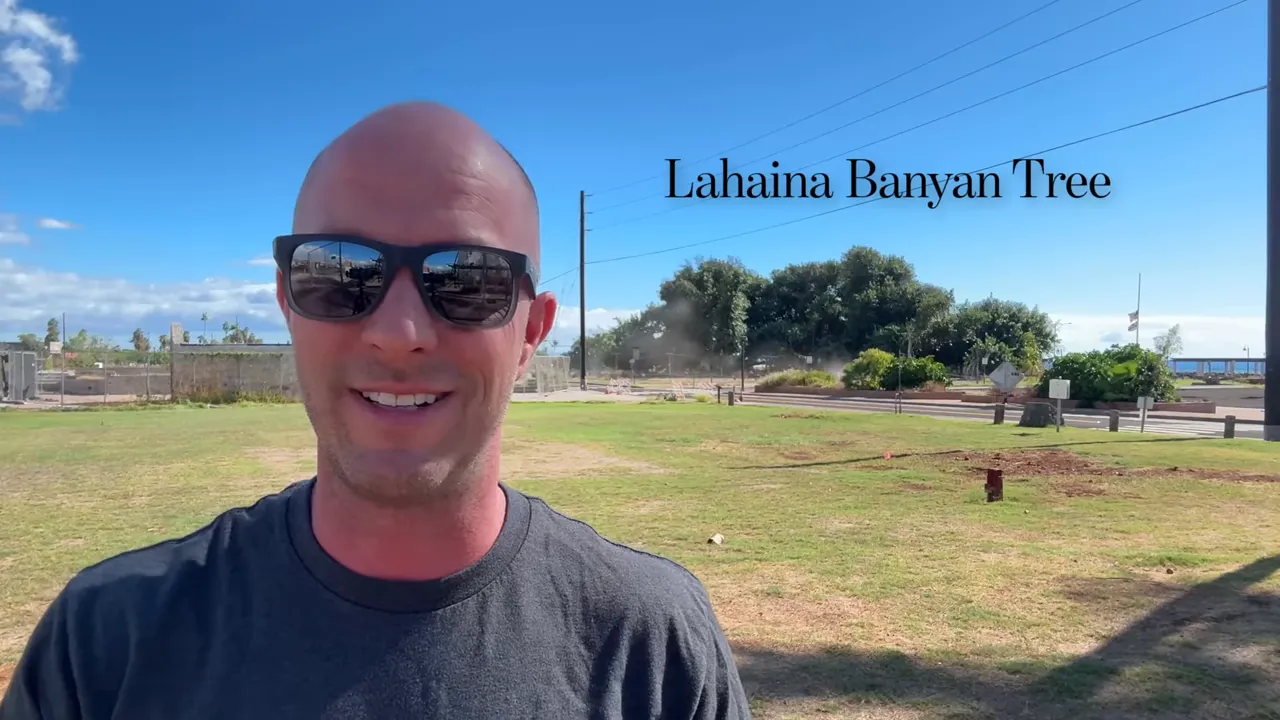
The banyan tree at Lahaina Harbor remains an emotional and visible symbol of the town’s resilience. It is looking healthy and green again, and seeing that tree thriving has been a morale boost for many residents.
Not far from the banyan is the Lahaina Courthouse. Built around 1860, the courthouse was gutted by the fire. It is one of eight historic buildings the Lahaina Restoration Foundation plans to restore. Restoration is not cheap: the courthouse alone is expected to cost approximately $7.1 million, with construction scheduled to begin in 2028 and finish in 2029. Restoring these historic structures will help preserve the town’s character, but it will be a multiyear effort that runs parallel to private residential rebuilds.
Front Street commercial corridor: planning, closures, and timelines
The heart of downtown—the stretch of Front Street that was heavily impacted—remains in blocks to local traffic. The county is still finishing critical infrastructure work in that area, including street railings, sidewalks, and seawall repairs. The county’s estimated completion for this project is July 2026.
Because infrastructure and resilience upgrades are required before commercial rebuilding can proceed in earnest, a formal planning phase has taken priority. Community input and design work have focused on several key priorities:
- Pedestrian friendly street designs and stronger connections between blocks
- Preserving historic character while adding resilient infrastructure
- More public spaces and plazas
- Seawall and drainage upgrades to reduce future coastal risks
About a month ago local planners held an open house at Canary Mall to present street design concepts and solicit feedback. The goal is to reimagine Front Street in a way that honors Lahaina’s history while making it more accessible and resilient for the future. That process takes time, and it explains why commercial rebuilds have lagged behind residential work.
Wahikuli and the rise of concentrated rebuilds
Across the highway in the Wahikuli neighborhood, the rebuild concentration is much higher. This area shows a robust pipeline of homes under construction and near completion. Construction activity is extensive enough that, from the air, you can see entire blocks at framing or roofing stages.
Debris removal, ash transport, and landfill milestones
A major behind-the-scenes milestone: in October the remaining truckloads of ash and debris were transported from the temporary debris storage site in Olowalu to the permanent disposal site at the central Maui landfill. That cleanup step lowered constraints on staging areas and removed one of the logistical bottlenecks in the recovery.
Removing the last of the temporary debris stockpiles is important for several reasons:
- It clears staging areas that could be repurposed for construction logistics.
- It reduces environmental risk and addresses community concerns about lingering ash.
- It signals to insurers, regulators, and contractors that the debris phase is winding down and reconstruction can expand.
Settlement funds, financial timelines, and their role in recovery
Financial relief will shape the pace of many rebuilds. The wildfire lawsuit settlement is expected to provide more than $4 billion in relief to fire victims when finalized. I had hoped the settlement could be finalized and the first payments made by the end of 2025, but that timeline now looks more likely to slip into early 2026.
When the first settlement payments are distributed they should help accelerate recovery in multiple ways:
- Allow homeowners to close funding gaps and finish construction
- Speed up purchases of materials and contractor mobilization
- Provide working capital for small businesses rebuilding commercial premises
Settlement timing remains a key variable. The earlier those funds become available, the faster some stalled or slow-moving projects can move forward.
Lahainaluna Road: power lines, causes, and the plan to bury utilities
The Lahainaluna neighborhood suffered from downed overhead power lines during the strong winds prior to and during the fire. In multiple spots wooden utility poles and poorly maintained lines were knocked down, which contributed to sparking the initial fire in that area.
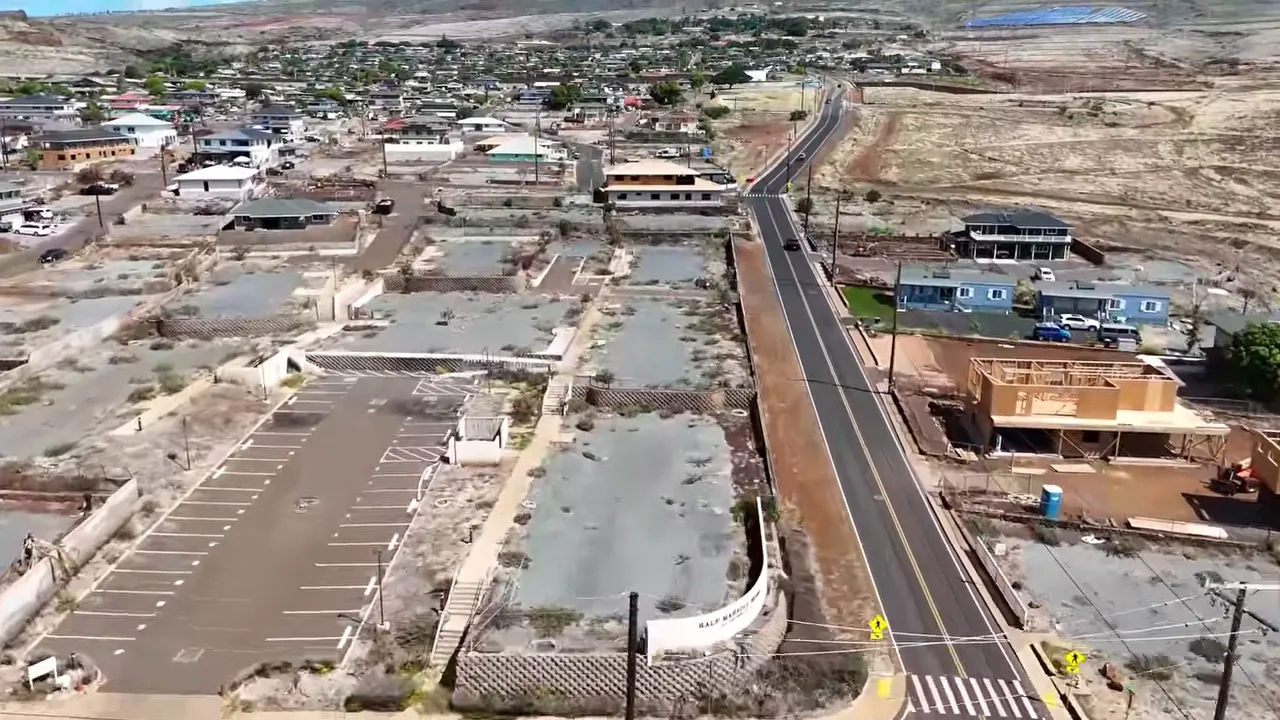
Good news on the utility front: Hawaiian Electric announced plans to place approximately 2.5 miles of power lines underground along Lahainaluna Road. Burying these lines addresses two problems at once:
- It reduces the risk of downed lines during high winds and storms.
- It improves overall resilience for the rebuilt neighborhood.
Burying utilities is not an overnight project. Expect planning, trenching, coordination with other underground utilities, and staged construction. Still, this is exactly the type of infrastructure upgrade that can prevent future disasters of the same kind and is a major long-term benefit for the community.
Lahainaluna neighborhood top to bottom
Following Lahainaluna Road to the highest point affected by the fire gives a clear picture of where the burn zone peaked. From the top, descending along Koma Stream, you can see a dense cluster of homes being rebuilt. That stretch is one of the busiest in terms of visible construction activity.
Across the Koma Stream sits an affordable apartment complex that was destroyed in the fire and is now nearly completely reconstructed. Seeing that structure nearly complete is important because it signals movement on affordable housing, which is critical for local workforce and displaced residents.
Opukea, Hoonanea, and other condominium complexes
Several mid-rise condominium communities were damaged or lost units. Opukea at Lahaina and Hoonanea did sustain losses, but reconstruction has begun on multiple buildings. From the air you can see at least one building with significant rebuild progress, indicating owners and developers are moving forward.
Canary Mall, new commercial projects, and what’s open now
Not all commercial activity halted. Canary Mall is a hub of planning and everyday services. New commercial projects that were planned before the fire continued or restarted after the disaster. For example, a Bank of Hawaii branch opened inside the Canary Mall footprint and a quick farm-to-table restaurant called Fork and Salad recently started operations.
These openings matter. They restore basic services and help spur local employment while larger Front Street projects remain in planning. Smaller, distributed commercial projects have been some of the first signs of economic normalization in certain pockets of town.
Cheeseburger in Paradise and other legacy restaurants
Some beloved eateries will not return to their original oceanfront locations. Cheeseburger in Paradise posted that it appears unlikely the restaurant will be allowed to rebuild at its pre-fire ocean-side location on Front Street. Land use, coastal rules, and new resilience requirements are forcing many businesses to reassess whether they can rebuild in the same spot.
That reality points to a slower return for parts of the tourist-facing economy. While restaurants and shops are gradually reopening in pockets, full commercial recovery depends on regulatory approvals, insurance settlements, and the completion of public infrastructure upgrades.
Temporary housing and community support projects
Temporary housing provided by FEMA and the state sits above the Wahikuli neighborhood. These sites offered short- to mid-term housing solutions for displaced residents and workers. From the hillside they are clearly visible as clusters of temporary units positioned above the more permanent neighborhoods.
Temporary housing has played a vital role in keeping residents connected to their community while rebuilding proceeds. As more homes are completed and the settlement timeline moves forward, we will see how transitional housing needs change and what permanent housing strategies follow.
Environment, weather, and the local economy
The west side of Maui has experienced a dry spell through most of the year. That drought contributed to course conditions and even forced the PGA Tournament of Champions in Kapalua to cancel this year. That tournament typically brings about $50 million to the local economy over a few days, so cancellation is a meaningful economic hit for service workers, hotels, and small businesses.
On the bright side, recent rains have brought vegetation back from yellow to green on the mountainside. There is also a patch in the middle of Lahaina that looks like a little oasis of green—an encouraging sign after a long dry period.
Historic sites still on the restoration list
Beyond the courthouse, the Lahaina Restoration Foundation plans to restore multiple historic sites, including the old Lahaina prison wall. These projects are essential to preserving Lahaina’s cultural identity but are also expensive and multi-year. Restoration timelines will overlap with private residential builds and public infrastructure projects.
Challenges that still slow recovery
Rebuilding an entire town is complex. A few of the persistent challenges include:
- Permitting complexity for oceanfront and commercial parcels
- Infrastructure prerequisites such as seawall repairs, sidewalks, and railings
- Utility upgrades and relocations including the work to bury power lines
- Insurance and settlement timelines that affect homeowner cashflow
- Balancing historic preservation with modern resilience requirements
These challenges explain why residential rebuilds are outpacing commercial rebuilds. Homes can generally be rebuilt faster once permits and funds are available, while commercial corridors need coordinated public works before business owners can commit to rebuilding in the same footprints.
What to expect in the next 12 to 36 months
Here is a realistic near-term timeline based on current activity and public estimates:
- Late 2025 to early 2026: Continued ramp-up of residential construction; first settlement payments possible in early 2026 depending on legal timelines
- Mid 2026: County expects to complete Front Street infrastructure improvements by July 2026, clearing major hurdles for commercial rebuilding
- 2026 to 2028: Increased commercial planning, phased rebuilds along Front Street with public input and design approvals
- 2028 to 2029: Target window for major historic restoration projects like the courthouse
Even with optimistic assumptions, substantial commercial and historic restoration will likely take multiple years. Residential progress will continue to be the fastest-moving sector as permits are issued and settlement funds arrive.
Summary takeaways and personal perspective
Overall, there is a lot to be hopeful about. The residential rebuild is powering forward with hundreds of homes under construction, several completed, and many more in permitting. Key infrastructure wins like debris removal and the plan to bury vulnerable power lines will reduce future risk and enable rebuilding.
At the same time, I am candidly mixed about the pace of commercial recovery. The heart of Front Street has yet to begin full-scale commercial rebuilding and will rely on public infrastructure projects and planning outcomes. That means it may be several years before the town’s commercial core fully returns to life.
My bottom line: strong progress on homes and critical infrastructure steps are reasons for optimism. Patience and continued coordination among residents, government agencies, utility companies, and nonprofits will determine how quickly the commercial and historic parts of Lahaina come back.
How many residential permits have been issued in Lahaina and how many homes are completed?
As of October 27, 2025, there were 478 residential permits issued in Lahaina. Of those, 76 residential buildings were completed, 295 homes were under construction, and 186 residential permits were in processing.
Is Lahaina Shores open and what are prices doing there?
Yes, Lahaina Shores has reopened. Asking prices are down about 35 percent compared to pre-fire values, making it one of the more attractive beachfront condo opportunities on the west side of Maui at the moment.
When will Front Street be fully reopened to traffic and businesses?
The county estimates infrastructure repairs for the most affected area of Front Street—railings, sidewalks, and seawall repairs—will be complete by July 2026. Commercial rebuilding will follow and is likely to be phased over several years depending on design approvals and funding.
What happened to the Lahaina Courthouse and when will it be restored?
The Lahaina Courthouse was gutted by the fire. It is one of eight historic buildings slated for restoration by the Lahaina Restoration Foundation. The courthouse restoration is expected to cost around $7.1 million, with construction scheduled to start in 2028 and finish in 2029.
What is the status of ash and debris removal?
In October the remaining truckloads of ash and debris were moved from the temporary debris storage site in Olowalu to the central Maui landfill for permanent disposal. That marks an important cleanup milestone and clears staging areas for ongoing recovery work.
Are power lines being addressed to prevent future fires?
Yes. Hawaiian Electric announced plans to bury approximately 2.5 miles of power lines along Lahainaluna Road. This undergrounding will reduce the risk of downed lines during high winds and improve neighborhood resilience.
Will settlement funds arrive soon and how will they affect recovery?
The wildfire lawsuit settlement is expected to provide more than $4 billion to fire survivors when finalized. Timelines slipped from late 2025, so early 2026 is the more likely window for initial payments. When distributed, these funds should accelerate rebuilds by helping homeowners and businesses cover gaps and mobilize contractors.
That covers the key updates I observed from the air and on the ground in Lahaina this month. I remain optimistic because the residential rebuild is moving quickly and essential infrastructure steps are underway. The commercial heart of town will take longer to fully restore, but planning is active and historic preservation projects are being advanced with clear timelines. If you track any of these neighborhoods or are considering real estate decisions here on Maui, keep an eye on permit releases, the settlement timeline, and county infrastructure milestones.
Posted by Jesse Wald onEnjoy this blog post? Click here to subscribe for updates
Leave A Comment